
This article asks: can you work on a roof without scaffolding? The answer depends on the type of roof work, the height of the roof, the time needed to complete the job, the access equipment available, and the level of risk involved. In many cases, scaffolding is the safest and most reasonable way to carry out roofing work, but there are some cases where other safety measures may be suitable.
Northampton Scaffolders offers bespoke scaffolding hire throughout Northampton, Daventry, Wellingborough and Northamptonshire. Whether the job involves ladders, safety harnesses, edge protection, safety nets, or other work platforms, it is important to choose equipment that allows the work to be carried out safely.
Working on roofs is high risk because falls from height can lead to serious injury or death. Even a short roof repair can place workers, contractors, people nearby, and the property itself at risk. Before any work on a roof starts, the site should be checked, the hazards should be understood, and a proper risk assessment should be completed.
What’s the point of scaffolding?
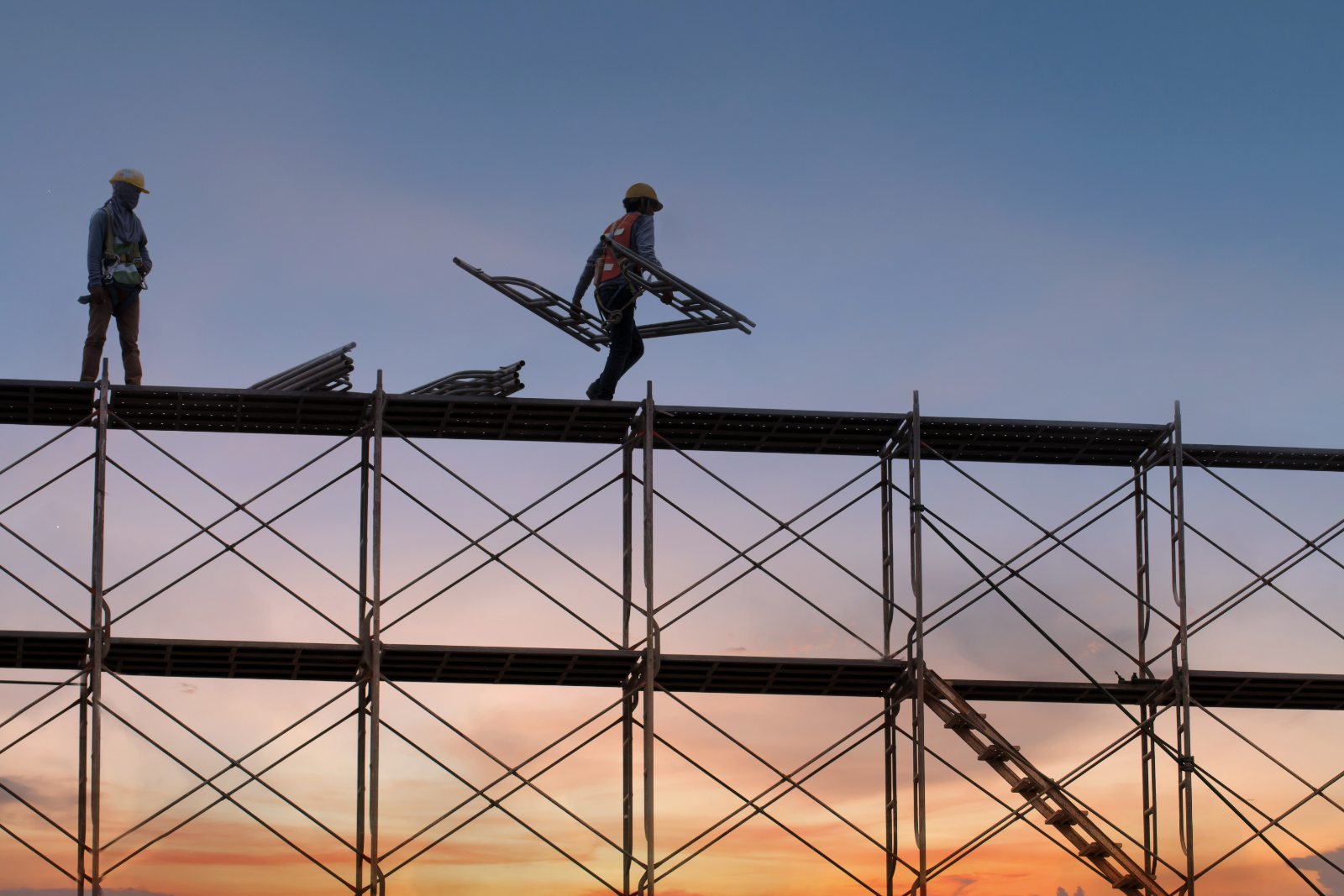
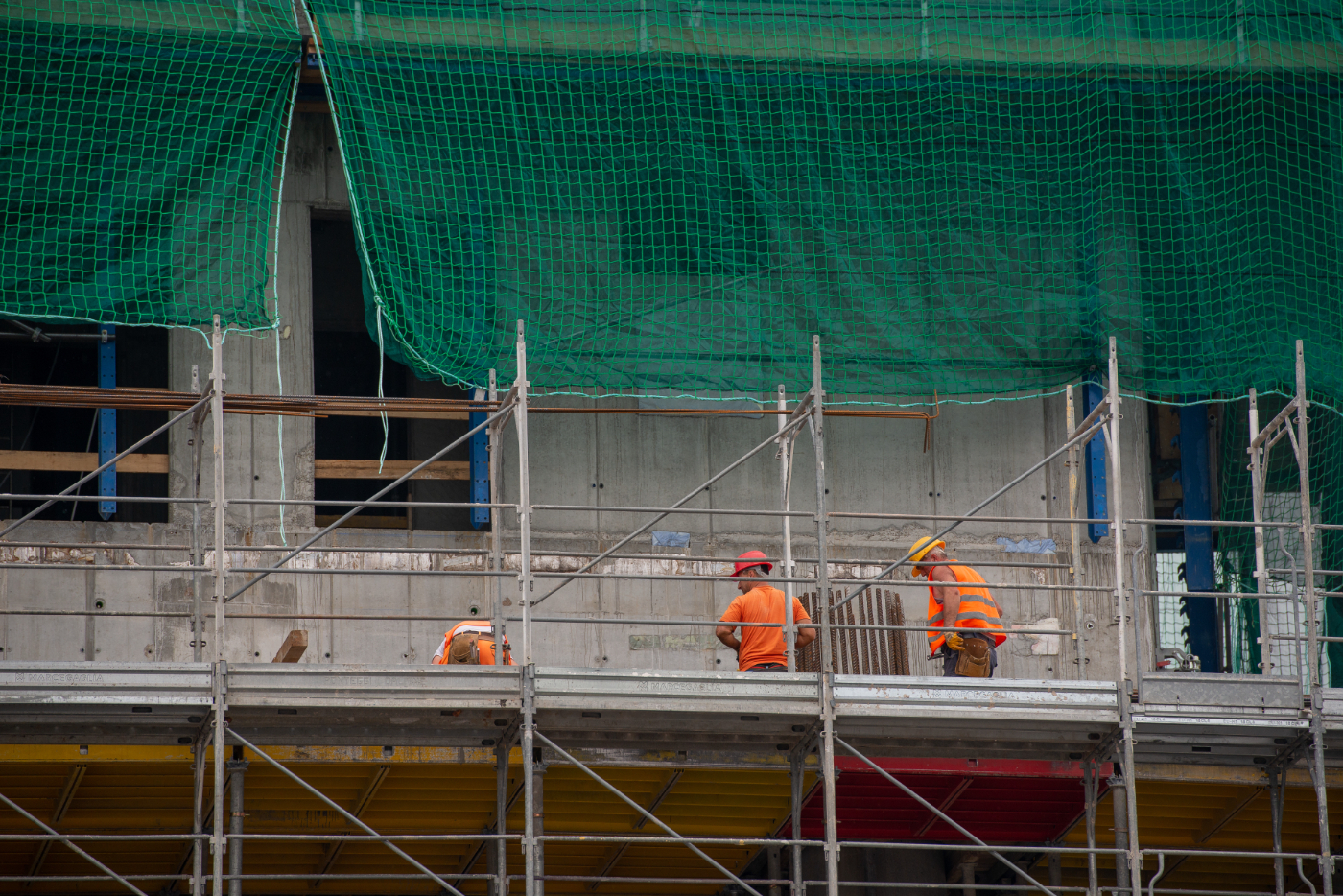
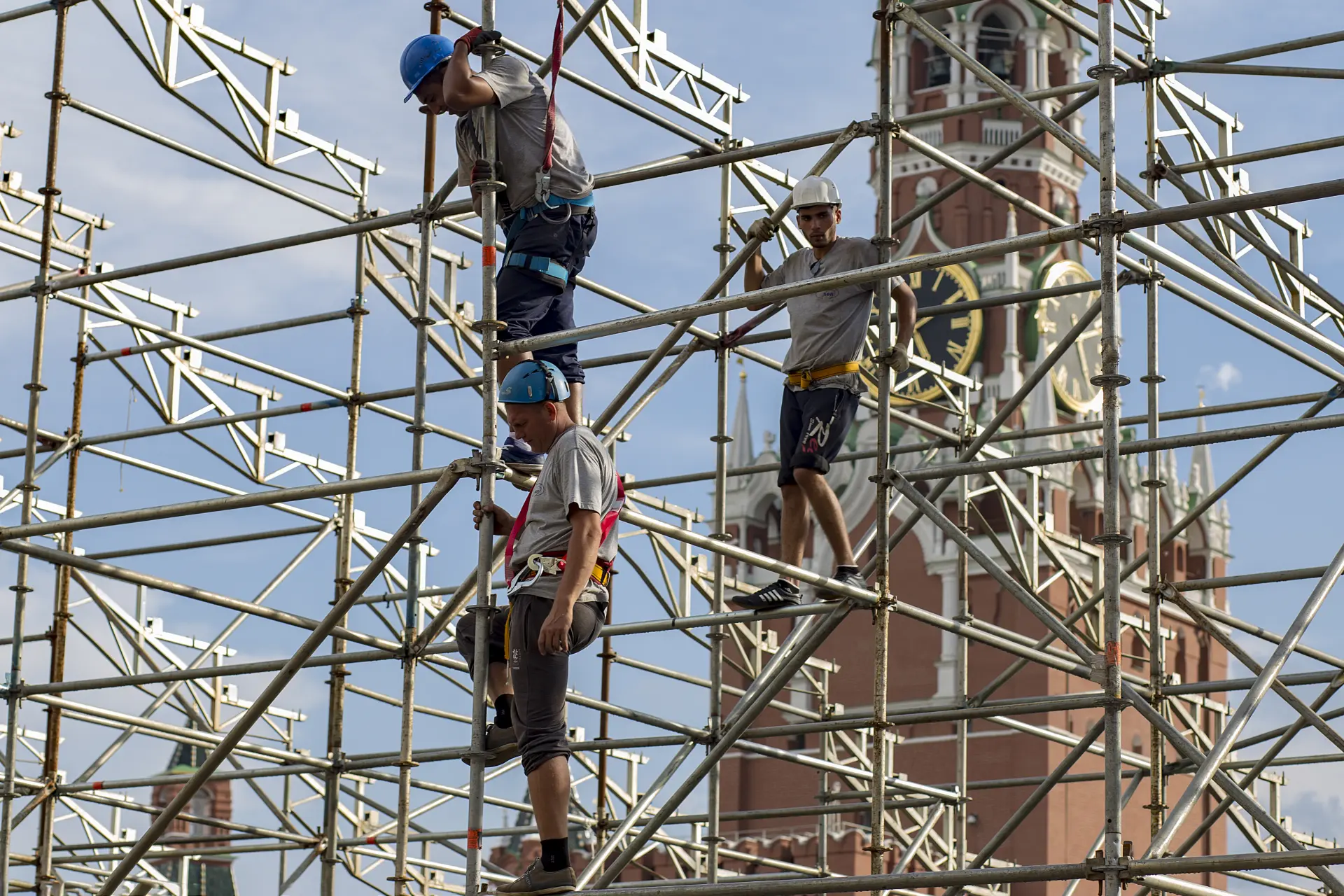
While scaffolding can be annoying, especially if it prevents easy access to your home or business, it does serve an essential purpose. Roofers and other construction professionals are much safer when using scaffolding to access your roof. It gives workers a stable working platform and allows them to carry tools, materials, tiles, and other equipment without needing to keep moving up and down ladders.
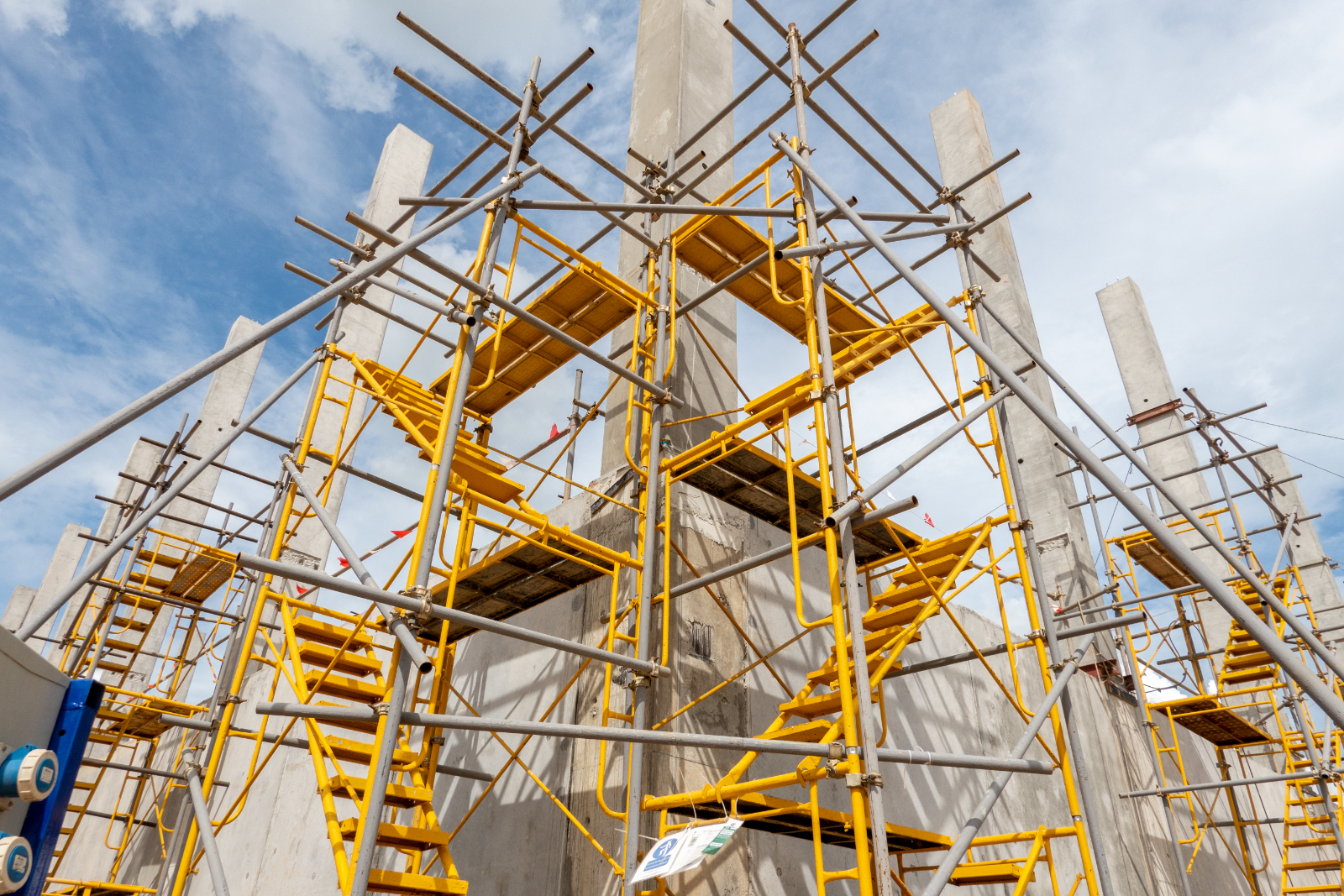
Scaffolding also helps prevent falls, falling materials, and accidents around the site. It can provide edge protection, toe boards, guard rails, and safe access points. These are important safety measures when people are working at height, especially when the roof is steep, fragile, wet, or difficult to reach.
Although scaffolding may inconvenience you for a short time, it can help the job to be completed more safely and more efficiently. A secure platform can save time because workers can move around the roof more easily, keep materials close to the work area, and complete repairs or replacing work with better control.
Is scaffolding necessary?
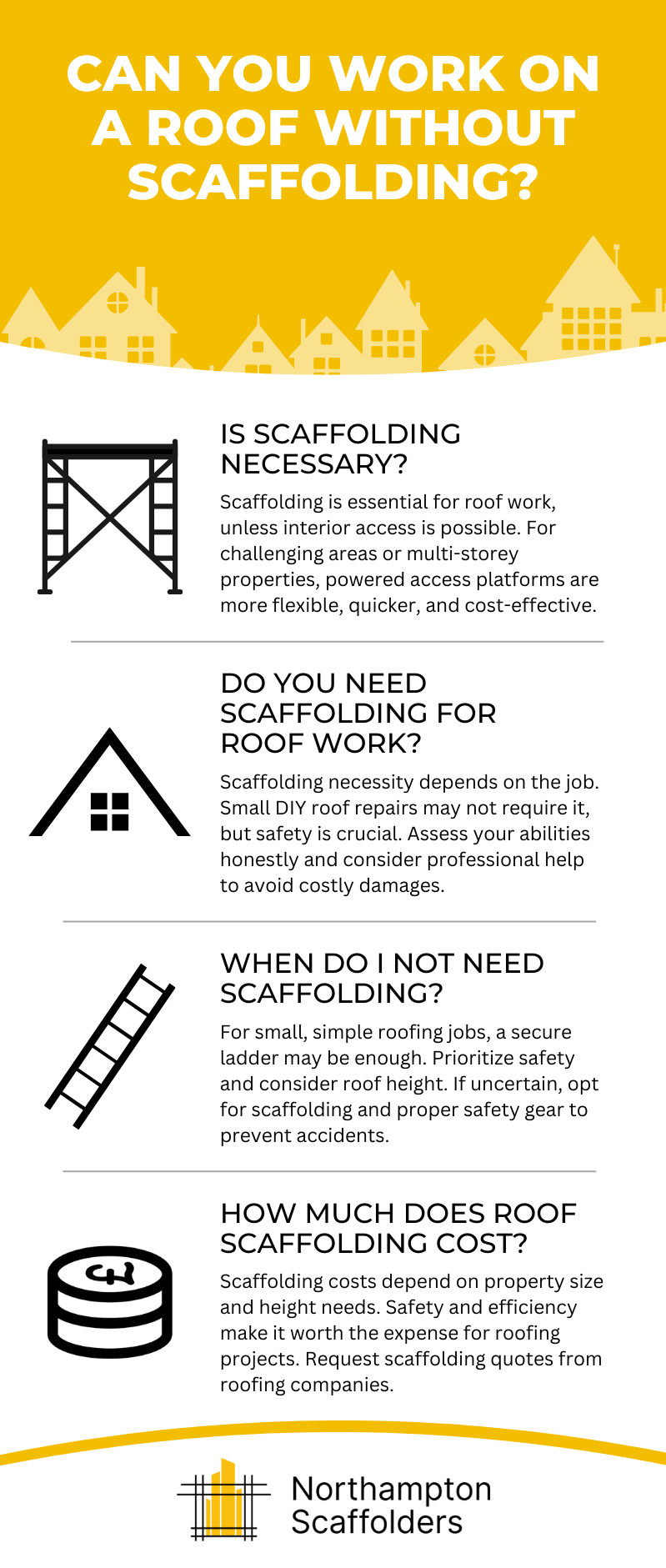
If you are having work done to your roof, scaffolding is often necessary. The main question is not only whether a roof can be reached, but whether it can be reached and worked on safely. A ladder may provide access, but it does not always provide a safe working platform.
The Work at Height Regulations 2005 require work at height to be properly planned, supervised, and carried out by competent people. The Health and Safety Executive, HSE, makes clear that all roof work is dangerous, even when the job only takes a few minutes. This means the precautions should match the level of risk, not just the size of the job.
There are some cases where scaffolding may not be the best option. For example, if roofers need to reach an awkward area, a powered access platform may be more suitable. These platforms can provide safe access where scaffolding would be difficult to place. They can also be a cost effective option for short jobs where the site layout allows safe use.
However, using alternatives does not remove the need for compliance with health and safety rules. The work must still be planned, the equipment must be suitable, and workers must be trained to use it safely.
Is It Illegal To Work On A Roof Without Scaffolding?
It is not always illegal to work on a roof without scaffolding. The law does not say that every single roof job must require scaffolding in every case. However, it can be illegal to work without scaffolding, or without another safe system, if the work cannot be carried out safely.
Non-compliance with safety regulations can lead to prosecution, fines, enforcement action, and civil claims if an accident or injury occurs. Employers, contractors, and people who control work at height have a duty to make sure the job is properly planned and that suitable precautions are in place.
In simple terms, working on a roof without scaffolding is only acceptable where the risks have been assessed and controlled by other suitable means. If there is a risk of falling from the roof, falling through fragile materials, or dropping tools and materials onto people below, then proper protection is required.
Do you need scaffolding for Roof work?
Whether you need scaffolding or not depends on the job itself. For example, small roof repairs that you can do yourself might not demand a giant scaffolding frame. However, you want to ensure you or any contractors you hire are safe when working on your roof.
The Health and Safety Executive (HSE) determine that any roofing work on domestic properties requires scaffolding. However, for small, one-man jobs, this might seem like overkill. Instead, a properly secured ladder might do the trick instead.
However, before attempting any roofing work yourself, you must be honest with your ability to perform the work safely. If you're in any doubt about your abilities, contact a professional roofing company. It's not worth the risk to your own health and the structural integrity of your roofing system.
Poor roofing work can lead to serious issues, such as leaks, which can weaken your roof structure over time. This can then spread to other areas of your home, such as internal ceilings and walls. These issues will cost you significantly more money than you would have spent hiring professional roofers in the first place.
So, if you're wondering whether you need professional scaffolding for your roofing project, consider the following questions:
What Are The Main Risks Of Working On Roofs?
The main risk of working on roofs is falling from height. Falls can happen from the roof edge, through fragile roof sheets, from ladders, from scaffolding, or from work platforms that are not properly set up.
There is also a risk of falling materials. Tiles, tools, timber, old felt, bricks, and other items can fall from the roof and injure people below. This is why edge protection, toe boards, exclusion zones, and careful site control are important.
Fragile roofs are another serious danger. Some roof surfaces may look stable, but they may not be strong enough to hold a person’s weight. Rooflights, old sheets, damaged tiles, and weak materials can break without warning. HSE guidance highlights fragile roofs as a common cause of falls and serious injuries.
Weather conditions also affect safety. Rain, frost, wind, and poor light can make roof work more dangerous. A roof that seems safe in dry weather may become slippery when wet. Strong wind can also make it harder to carry materials and control tools.
What Should A Risk Assessment Include?
A risk assessment should be completed before roof work starts. It should look at how the work will be done, who will be doing it, what equipment is needed, and how falls will be prevented.
The assessment should consider the height of the roof, how workers will reach the work area, where materials will be placed, how long the work will take, and whether people below could be injured by falling items. It should also consider the stability of the roof, nearby power lines, fragile areas, and access around the property.
A good risk assessment does not need to be overly complex, but it does need to be clear and useful. It should lead to practical control measures, such as scaffolding, edge protection, safety nets, harnesses, work platforms, or powered access equipment.
What Are The Alternatives To Scaffolding?
There are alternatives to scaffolding, but they must be chosen carefully. Common alternatives include ladders, mobile towers, roof ladders, harness systems, safety nets, and powered access platforms.
A powered access platform can be useful when roofers need to reach a high or awkward area for a short period of time. It can provide safe access without building a full scaffold around the property. However, it needs enough space, firm ground, trained operators, and safe weather conditions.
A mobile tower may be suitable for smaller jobs where the working area is limited. It must be built correctly, placed on stable ground, and used by someone who understands the safety requirements.
Safety nets and soft landing systems can help reduce the result of a fall, but they should not be treated as the first choice where a fall can be prevented. HSE states that safety nets can be used with other precautions where the risk of a fall cannot be removed.
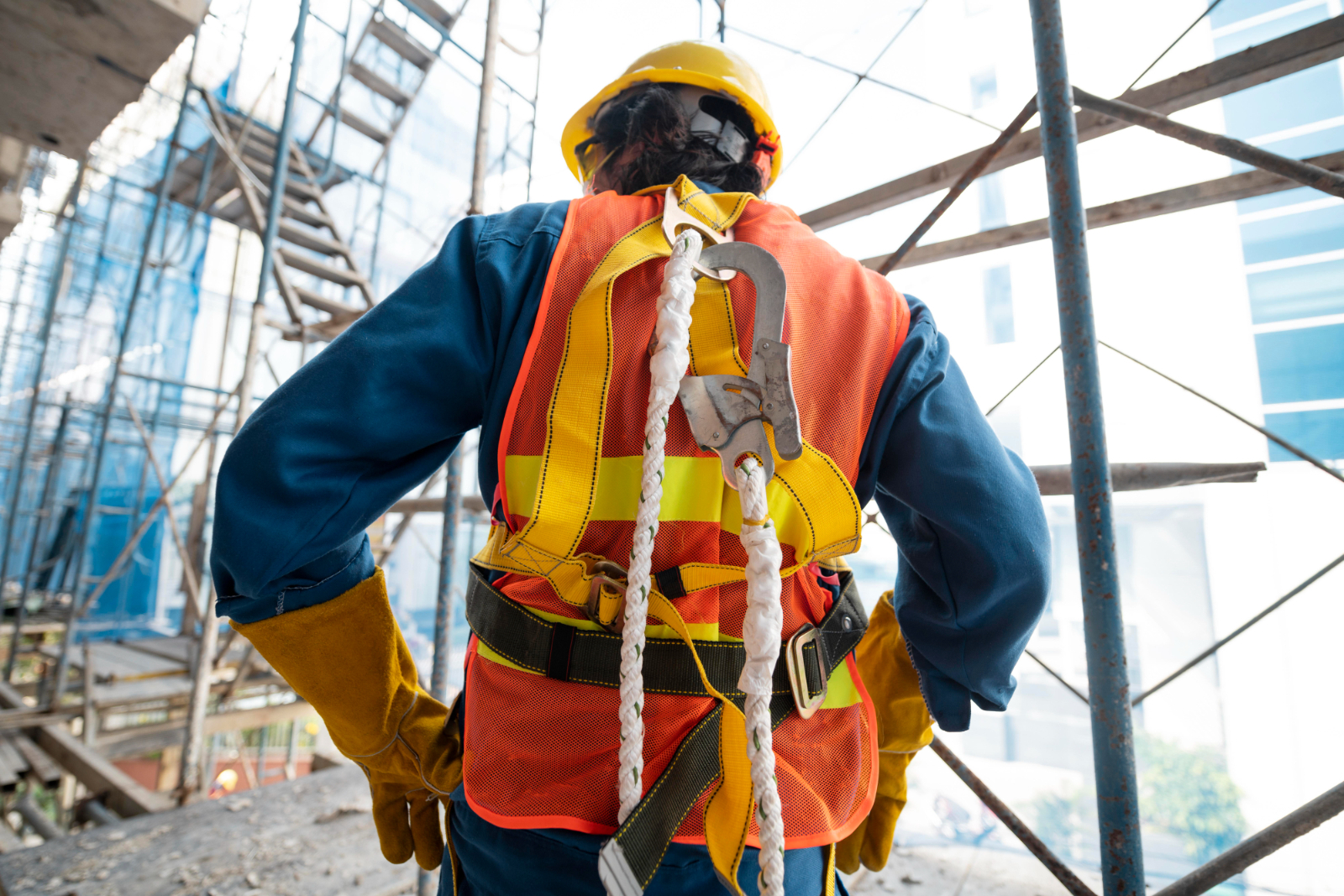
Harnesses can also be used in some cases, but they require suitable anchor points, training, inspection, and a rescue plan. A harness is not enough on its own if nobody can safely rescue the worker after a fall.
When do I not need scaffolding?
You may not need scaffolding if the roof work is short, simple, low risk, and can be completed safely using other suitable access equipment. Examples may include small repairs on a low roof, clearing a small section of guttering, or checking a flat roof where safe internal access is already in place.
However, the work must still be safe. If the person cannot reach the area properly, cannot keep their balance, needs to carry materials, or must work close to an unprotected edge, scaffolding may still be needed.
The height of the roof is also important. A single storey flat roof may not always require full scaffolding, but there still needs to be a safe means of access and a way to prevent falls. A fall from a low height can still cause serious injury.
It is tempting for people to carry out small roof repairs themselves to save money, but safety should come first. If you are not trained, do not have the right equipment, or are not sure how to complete the work safely, it is better to speak to professional contractors.
Why Training And Competence Matter
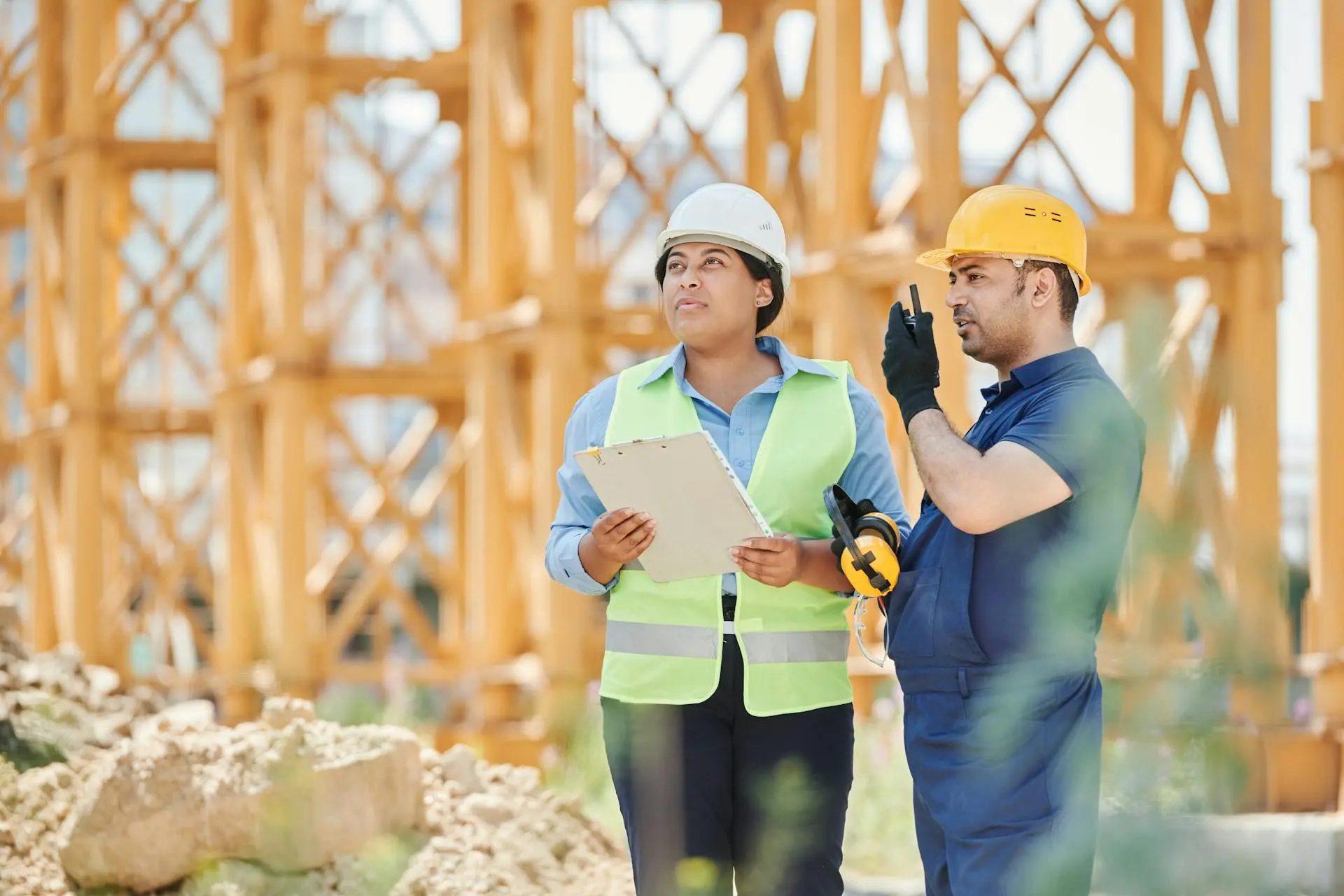
Roofing work should be carried out by people who are trained, competent, and aware of the risks. This does not only mean knowing how to repair a roof. It also means knowing how to use access equipment, how to prevent falls, how to carry materials safely, and how to respond if something goes wrong.
Employers and contractors must provide suitable information, instruction, and equipment for workers. They must also ensure that the work is planned and supervised. Poor planning can lead to accidents, injuries, delays, and extra costs.
A trained worker is more likely to spot unsafe roof materials, poor ladder stability, weak access points, and weather risks before they lead to harm. This is especially important when repairing older roofs, replacing damaged tiles, or working around chimneys and roof edges.
How Long Will The Job Take?
The duration of the job is one of the key factors when deciding whether scaffolding is needed. If the project will take more than a short time, scaffolding is usually the safer and more practical option.
A job that takes several days will often require workers to carry tools and materials onto the roof many times. Without scaffolding, this can increase the risk of falls, dropped objects, and injury. A stable working platform can make the work safer and help the project move forward at a steady pace.
Weather conditions should also be considered. If a roof is left open during a repair or replacement, scaffolding can help with temporary protection and safe access. This can reduce damage to the property and help workers complete the job properly.
Do I Need A Working Platform?
A working platform is often needed when workers must stay in one place, use both hands, or handle materials. Scaffolding is one type of working platform, but it is not the only one. Mobile towers and powered access platforms can also provide a stable place to work in some cases.
Working around awkward sections of a roof, such as chimneys, valleys, dormers, or roof edges, often requires more than a ladder. These areas can be difficult to reach and may place workers in unsafe positions. In these cases, a proper platform can prevent falls and allow the job to be carried out safely.
How Much Does Roof Scaffolding Cost?
The cost of roof scaffolding depends on the size of the property, the height of the roof, the number of sides that need access, the duration of the hire, and the type of protection required. A small terraced house may cost less than a large detached property that needs scaffolding on several sides.
Edge protection, loading bays, access towers, roof coverings, and chutes can also affect the cost. While scaffolding can seem expensive, it can prevent accidents, delays, poor work, and later repair costs.
When comparing quotes, make sure the price includes scaffolding where it is needed. This can save you from surprise costs later. It also helps ensure the roofing company does not try to complete the work without proper safety measures.
Why Cheap Roof Work Can Cost More Later
Trying to complete roof work without scaffolding may seem like a way to save money, but it can lead to bigger problems. Poor access can make the job harder, slower, and less safe. It can also lead to rushed repairs, broken tiles, leaks, and damage to the roof structure.
A leak caused by poor roofing work can affect ceilings, walls, insulation, and electrics. The cost of putting this right can be much higher than the cost of safe access at the start.
There is also the risk of injury. If a worker, homeowner, or member of the public is hurt, the result can include medical costs, lost time, legal action, civil claims, and prosecution in serious cases.
Can You Work On A Roof Without Scaffolding?
Yes, you can work on a roof without scaffolding in some limited cases, but only when the job can be carried out safely using other suitable access equipment and safety measures. For many roofing jobs, scaffolding is the safest and most reasonable option.
A roof without scaffolding should only be considered after a proper risk assessment. The work at height must be planned, the right equipment must be used, and the people carrying out the job must be trained and competent.
If you are not sure whether you need scaffolding, it is best to get professional advice before the work starts. To speak with a team that can assess your site and provide safe access for roofing work, get in touch with Northampton Scaffolders by phone, website form, or email.
At Northampton Scaffolders, we offer a broad spectrum of scaffolding services for our customers in Northampton to hire. Our family-run business is fully qualified and has all the experience to deliver and install bespoke scaffolding and roofing covers. We complete scaffolding solutions for residential and commercial building projects throughout Northampton, Daventry, Wellingborough and Northamptonshire..